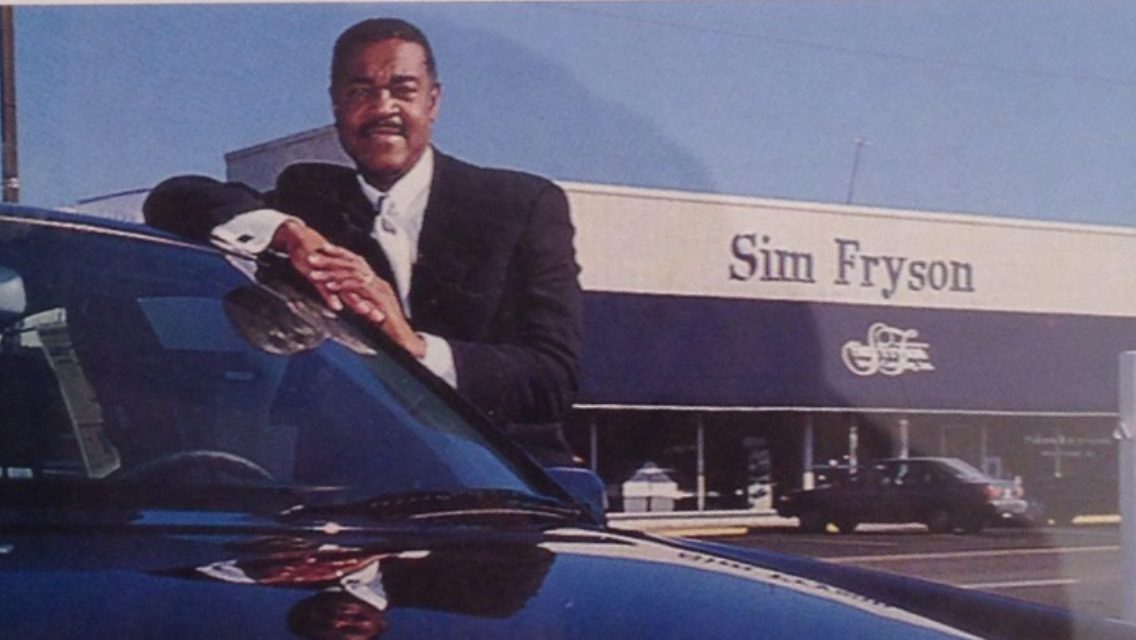
Sim Fryson
“I was not raised as a Seventh-day Adventist. My parents were Baptist. My dad was a deacon, and my mother was a deaconess in the Baptist church.
What happened was, my grandmother passed away, and while going through her things, my mother found a book called Bible Readings for the Home. She read something about the Sabbath, and it caught her attention because she had never heard that the Sabbath was Saturday. So, she started researching. She went to the library and confirmed that the seventh day was Saturday, then went to her pastor and asked, ‘What day is the Sabbath?’ He said, ‘Saturday.’ And she said, ‘Well, why are we in church on Sunday then?’ The typical response was that we worship on Sunday in honor of the resurrection, but my mother wasn’t satisfied with that.
At the time, I was a drummer in a nine-piece rock group, and my organ player was Jewish. I didn’t know it then, but my mother went and asked him, ‘What day is the Sabbath?’ and he said, ‘Saturday.’ After all that investigation, she found a Seventh-day Adventist Church. That’s how it all started. I was about 24.
I went many years without following my mom’s example. I was a rock musician, working part-time at IBM, going to college, playing baseball – I was just full of life. Then, as I was graduating, I went to buy a car, and a gentleman told me I should get into the car business. Long story short, I did. I went through the ranks and eventually owned my own Mercedes-Benz dealership in Ashland, Kentucky. My mother, meanwhile, was deeply involved in the church, but I didn’t pay it much attention. I just continued with my career.
Then I started thinking about how I was being blessed, and I realized I didn’t do it on my own. The Lord was blessing me through the prayers of my parents. So, I started studying the Bible more seriously, and I realized that if I was going to serve God, I couldn’t say one thing and live another way.
I had been attending a Seventh-day Adventist church with my mother from time to time. One day, a preacher named Joseph Lewis gave a powerful sermon, and at the end I gave my life to Jesus. Right then, I knew I had to change things. I told my general manager I could no longer say I was serving God while being disobedient to His will. I said we were going to close on Saturday and open Sunday, and he said, ‘Mr. Fryson, this is the Bible Belt. People might frown on that.’ So, I said, ‘Alright, then we’ll close both days.’
When we announced the new schedule to the staff, I felt it was important for me to explain to them why I was making this change. I told them, ‘From this day forward, I will no longer be disobedient to the Word of God. I cannot say I love Him and continue profaning His seventh-day Sabbath.’ I didn’t care about the risks. What does it profit a man to gain the whole world and lose his soul? I had over 100 employees, and in that meeting, I broke down in front of them and cried like a baby. My general sales manager said, ‘Mr. Fryson, you did the right thing. We’re behind you.’
When I came down from that meeting, the showroom was full, and people were lined up outside. That day, we had the best sales day we’d ever had. People were asking what was happening, and I said, ‘That’s what happens when you honor God.’ We closed both Saturday and Sunday for from then on without any problems, and everyone knew why. It was a witness, especially since Saturday is the busiest day in the car business.
Someone once asked if I ever considered just not working on Sabbath but keeping the business open. I said no. That’s only halfway obedience. The Fourth Commandment says not only you, but your servants and everyone within your gates should not work. So, if I stayed home but had employees working, I’d still be breaking the Sabbath. You can’t halfway serve God. You’re either all in or all out.
I sold my dealership in 2011, but people still come up to me and ask about it. During those years, I had six lay pastors from different denominations working for me, and they respected what I did. I didn’t even have to advertise for employees. People wanted to work there and have two days off. The biggest lesson is that you have to practice what you profess. I could not call myself a Seventh-day Adventist Christian and ignore the Sabbath. I would lose my credibility to witness. The whole community knew what I was doing, and it caused many people, even pastors, to study more.”
- Sim Fryson, from the Ashland Church, Ky.