God Loves History: Conference Group Traces Reformation History Across Europe
For the Hebrew people the past was something visible – it lay in front of them – while the future came from behind. A strange idea to the western mind yet deeply revealing that God loves history! Throughout Scripture, God repeatedly asks His people to remember. It permeates the Bible reminding the believers that faith is not merely forward looking but deeply rooted in what God has already done. When we stand in the places where history took place the stories become real, impressive and personal.
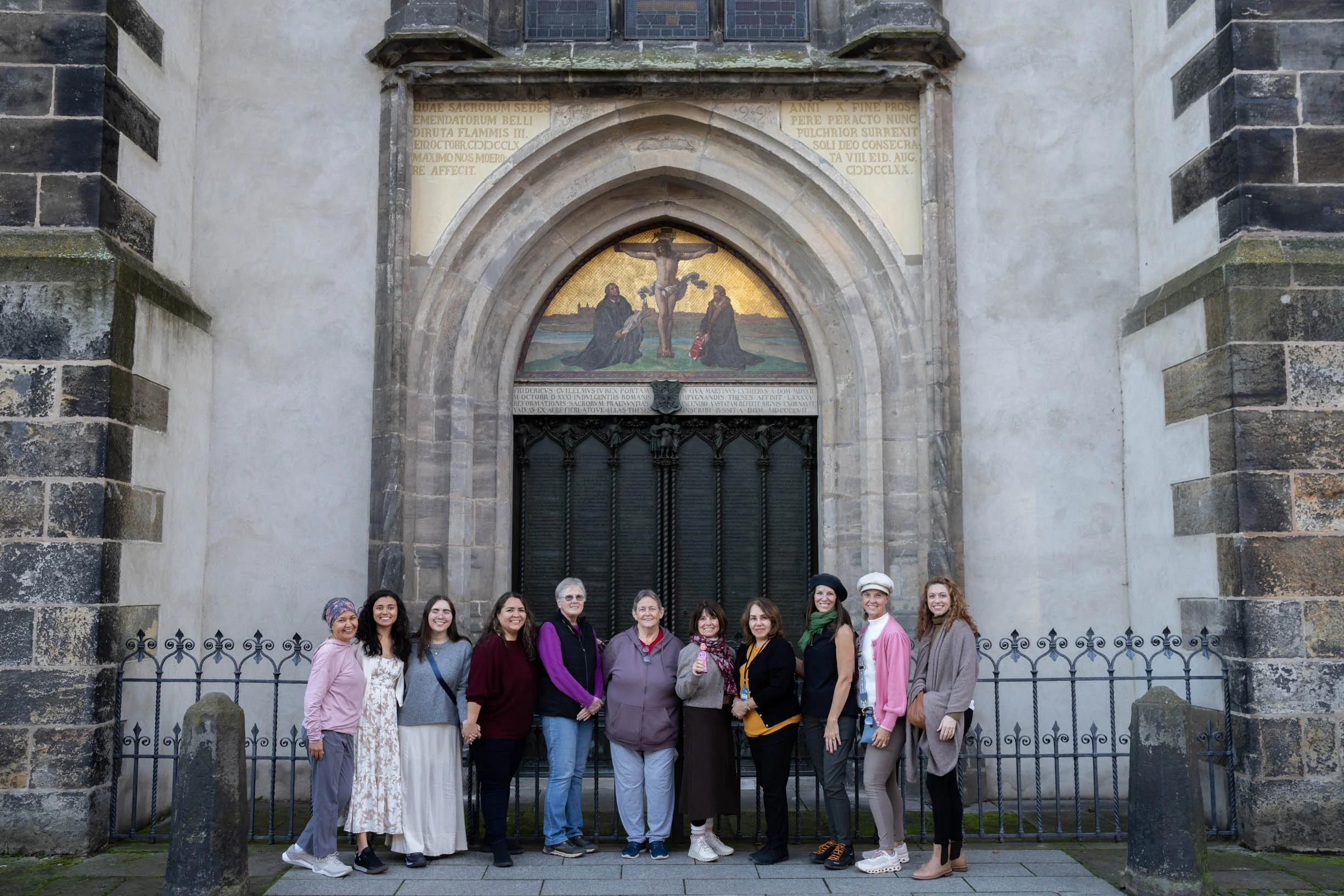
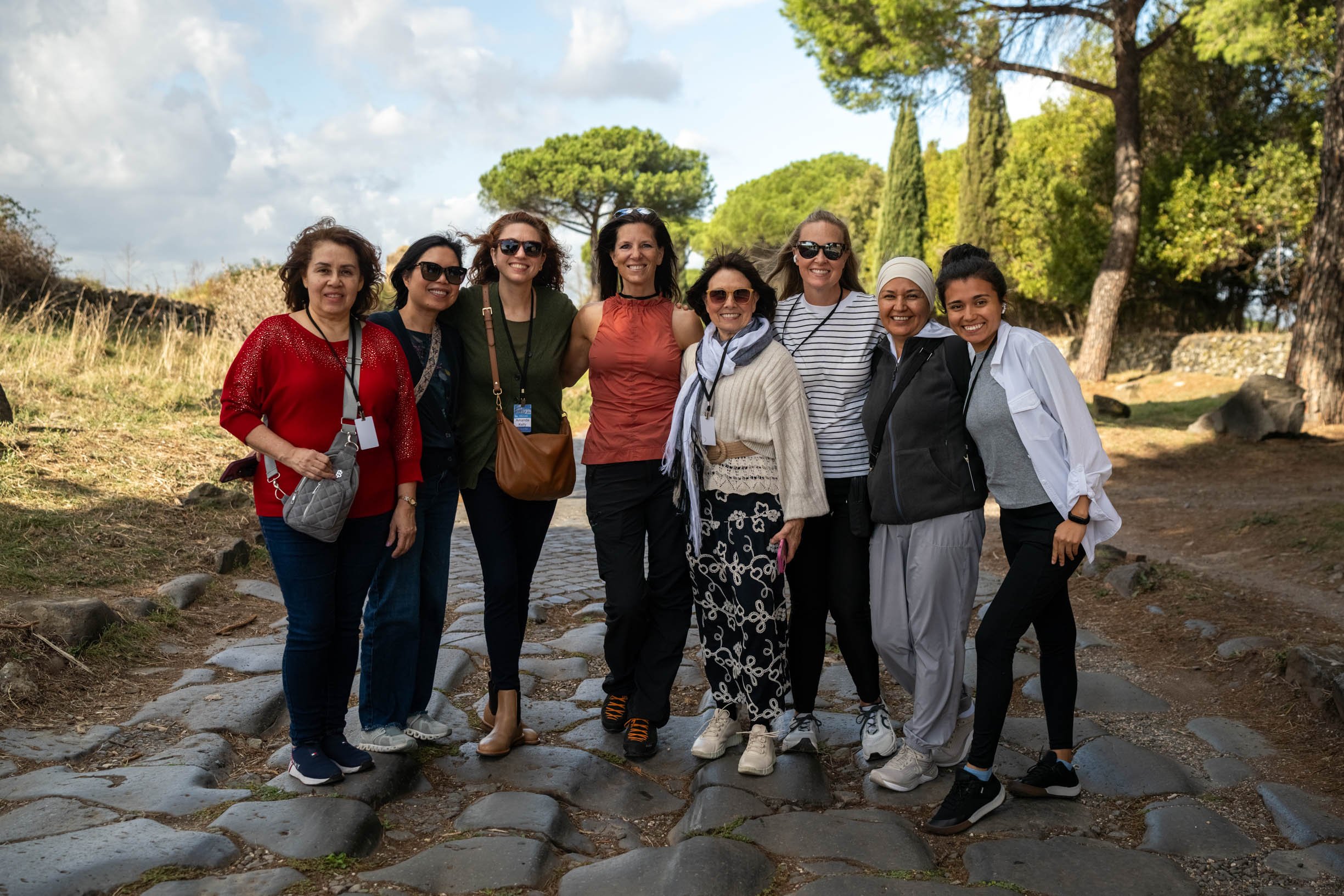
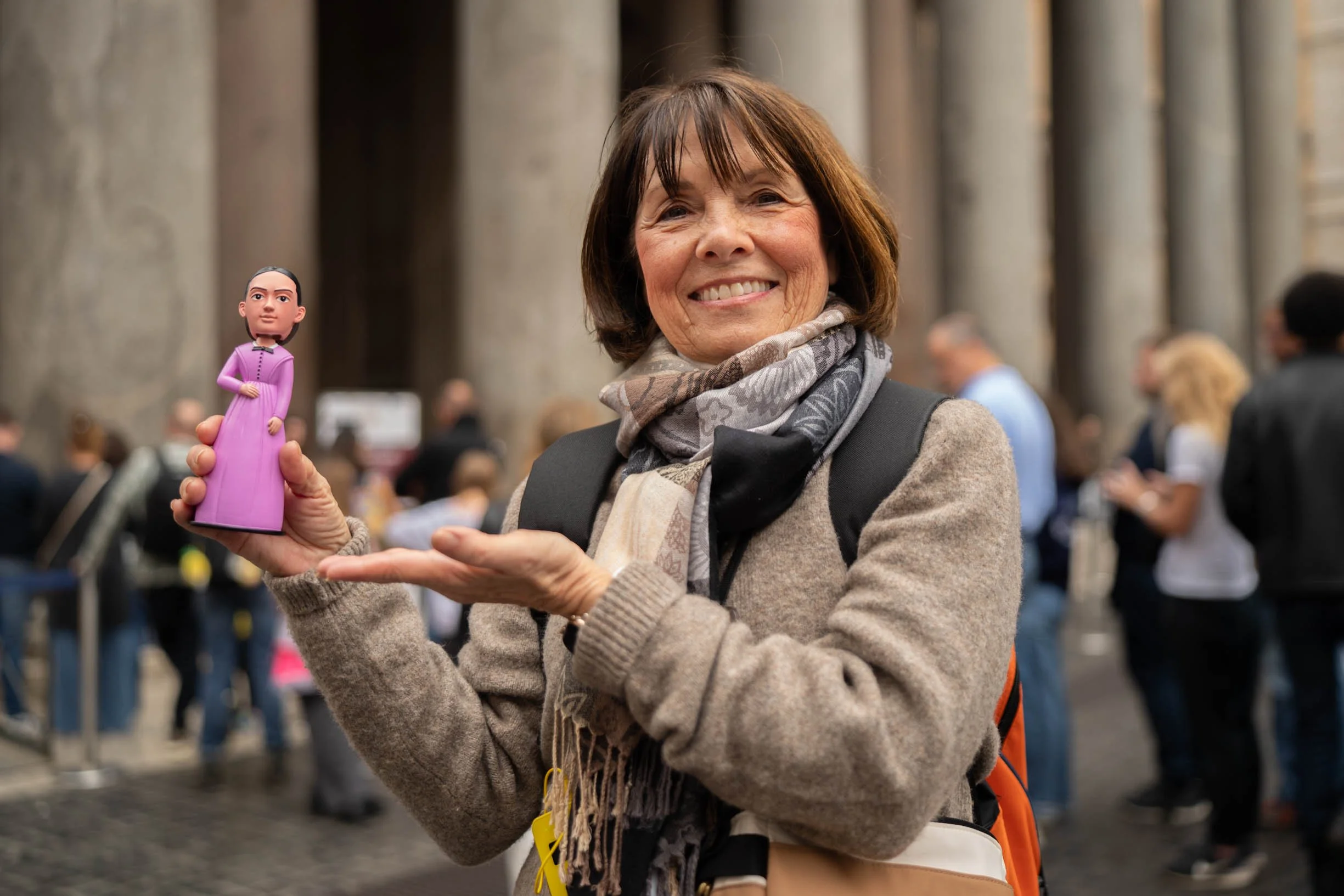
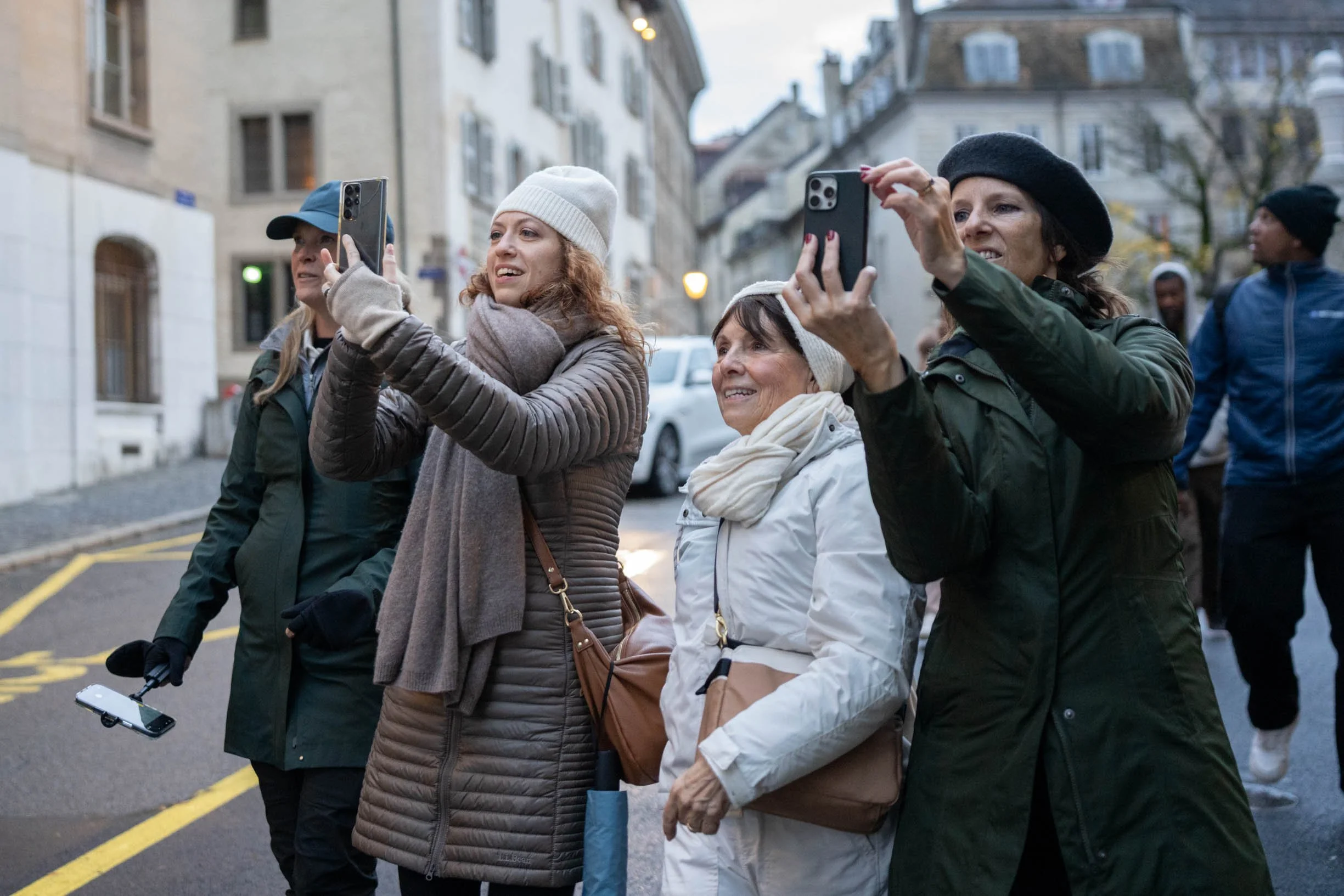
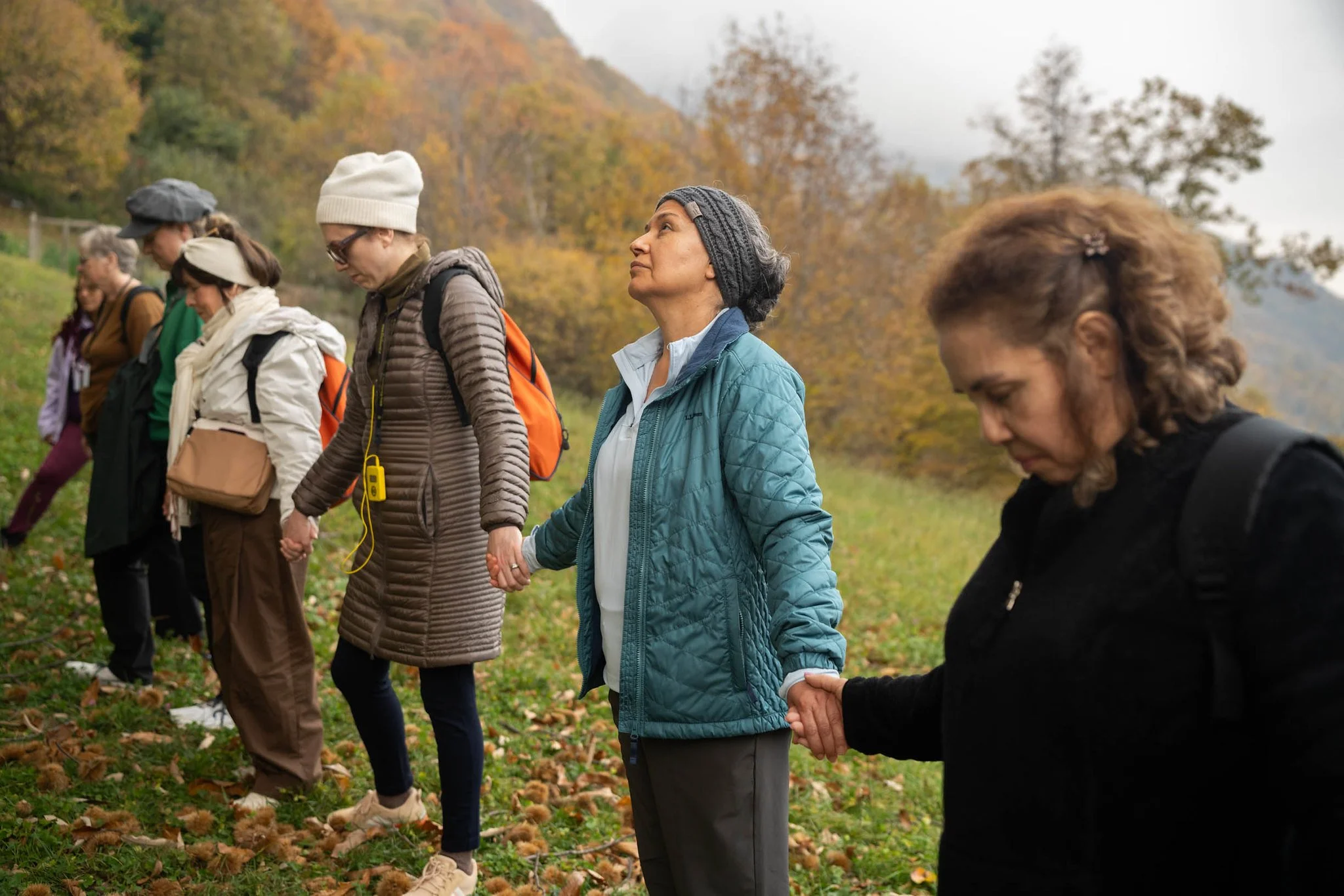
On October 26, eleven women and one man from the Kentucky-Tennessee Conference joined 37 others for a fast-paced Reformation tour through six countries, including the Vatican. Guided by Johnny Suarez of Pan Di Vida Tours, the group became a band of time travelers, walking through centuries of courage, conflict, and costly conviction.
A sobering moment came standing by the river in Zurich, where Felix Manz became the first Swiss Anabaptist martyr who was drowned at the hands of the magisterial Protestants. Watching the cold water swirl it almost whispered a reminder of the depths that men will go to suppress religious freedom, and the even greater depths others will go to defend it. The Wall of Reformers in Geneva testified of great men and women who would not allow opposition or persecution to silence the message of the Gospel
The journey was full of contrasts. From the palace and opulence of King Charles the III’ palace in Naples – boasting 1200 rooms yet never lived in by the King himself – to the rock-hewn cave of the Mamertine prison in Rome where Paul awaited execution. The distinction glaringly spoke of the stark difference between worldly power and the humility of sacrifice and the cross.
The group’s Sabbath in Torre Pellice, in the Waldensian valleys, was an unforgettable highlight. Climbing three mountains, sitting on the stone benches of the ancient Barb’s School, and ending the day with a sacred foot washing and communion brought more clearly the past into communion with the present.
What was learned was not just stories about places, names and legacies but a spiritual pilgrimage. We walked where martyrs lived, suffered, and died – not for political conquest or fame, but the simple, profound right for every person to read the Bible in their own language and worship as they believed. But most of all to know Christ for themselves, which is why God loves history!