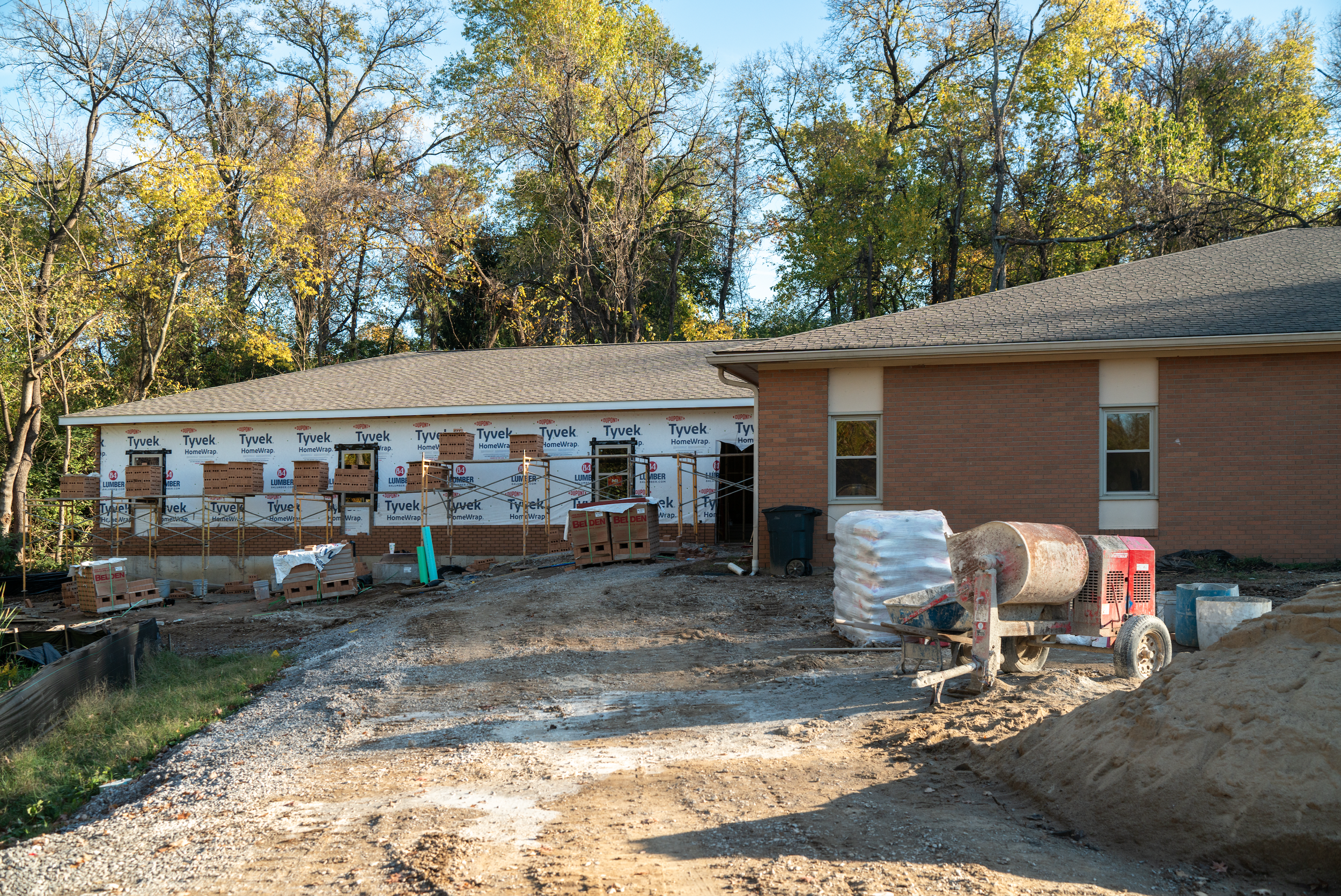
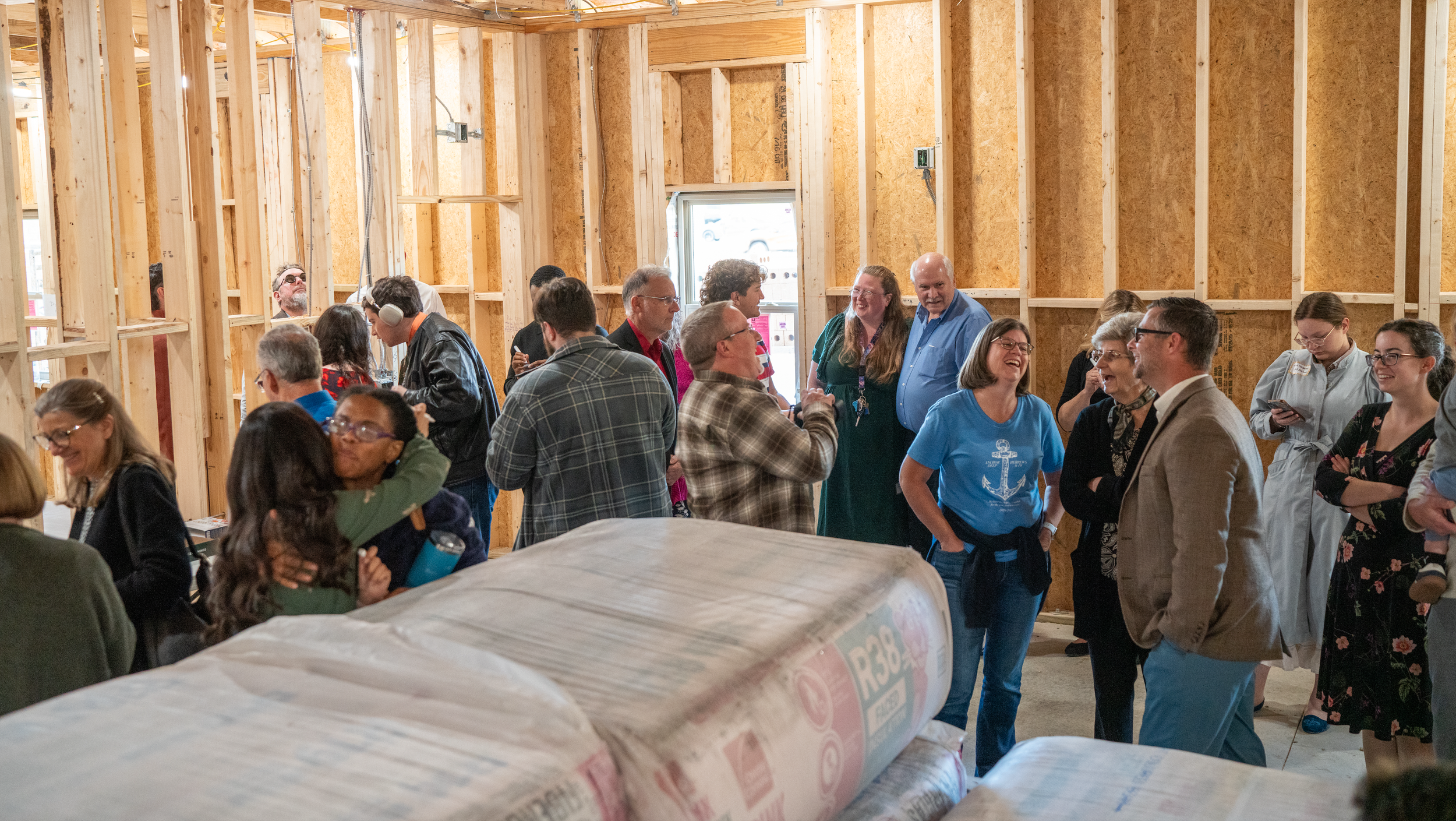
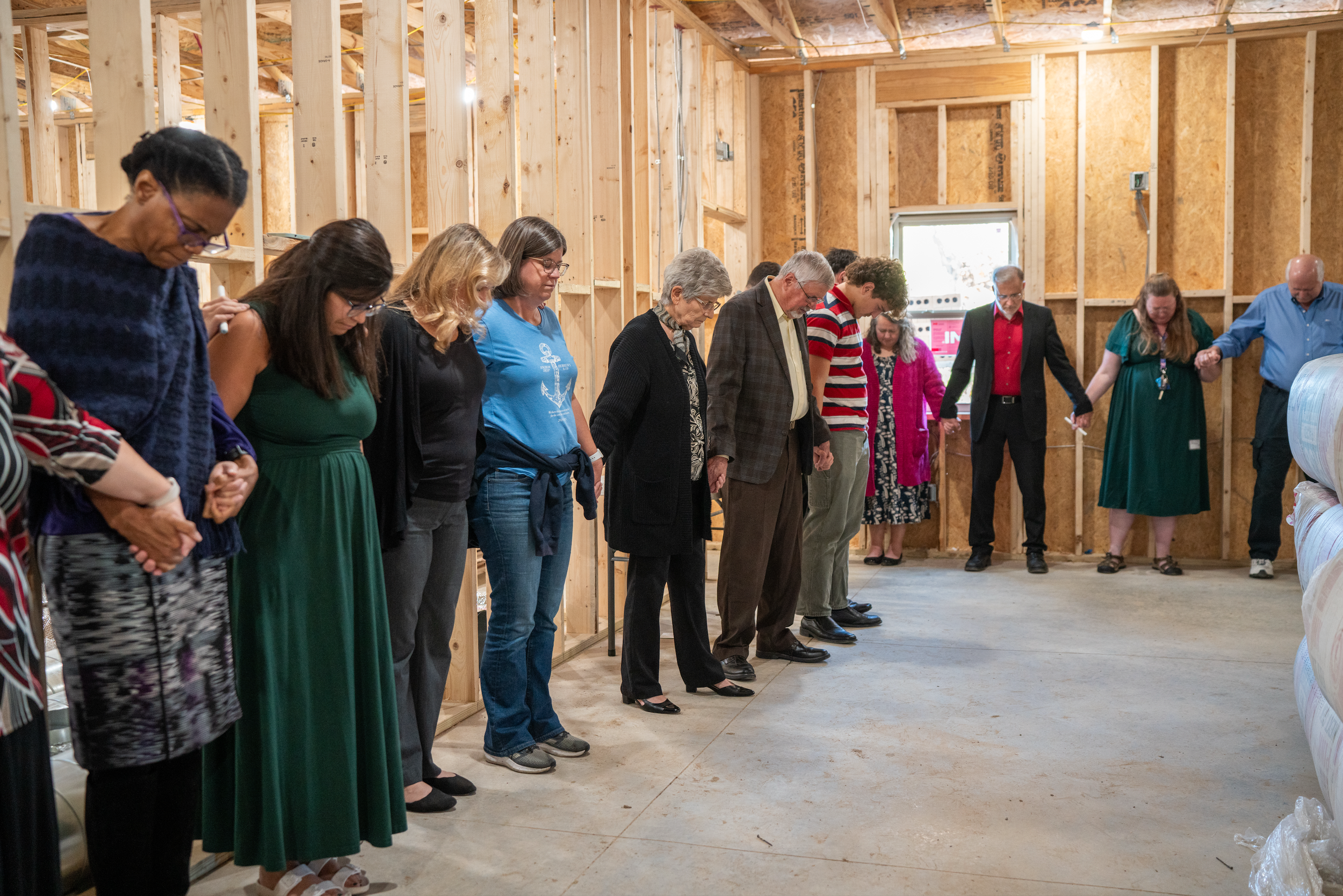
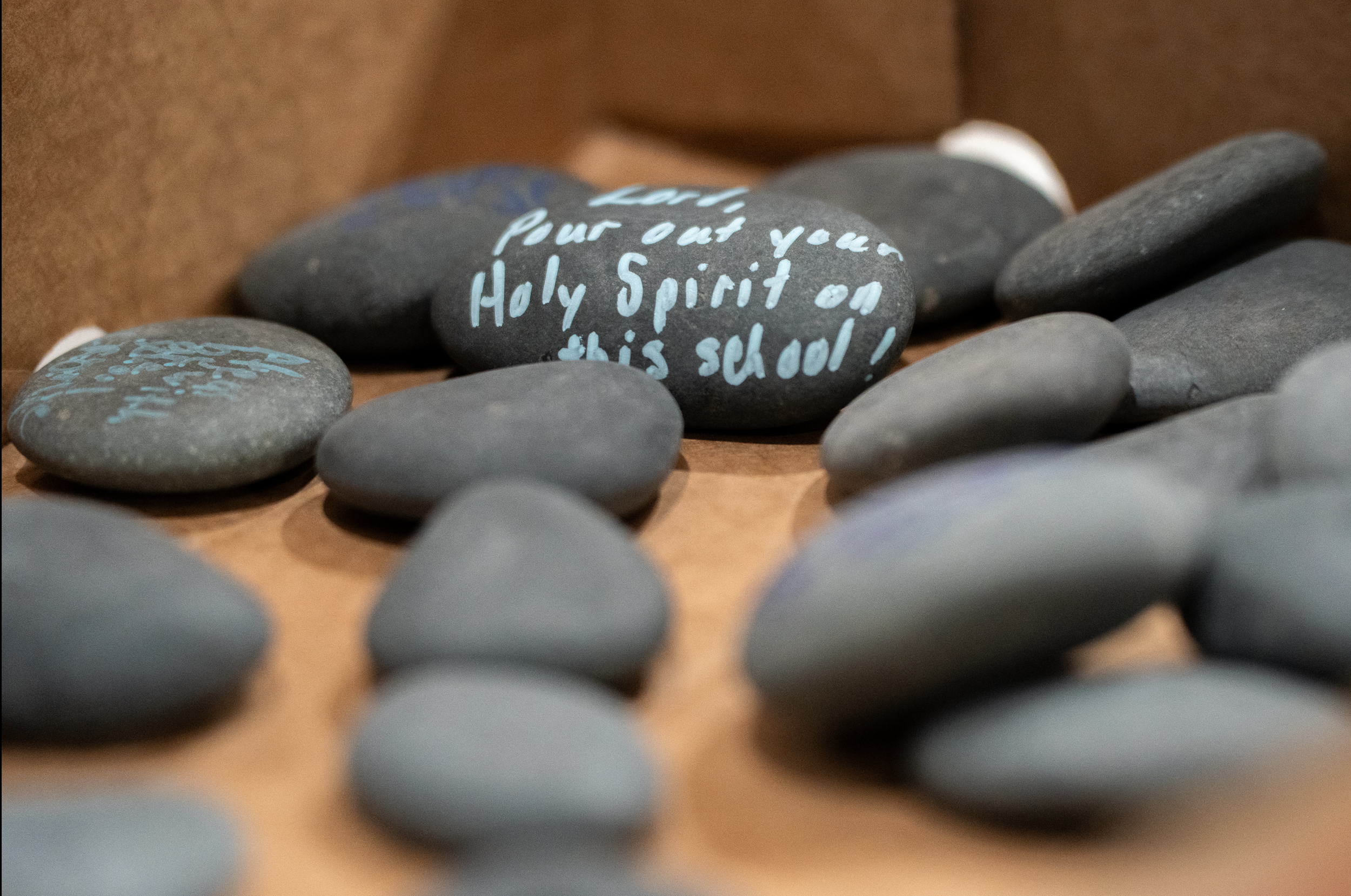
Louisville Adventist Academy held a dedication service Nov. 7 for its ongoing expansion, offering prayers for the next phase and the work ahead. The project is intended to relieve crowding and eventually more than double the campus’s student capacity. The first phase, which includes two new classrooms and a hallway, is fully funded and progressing toward completion.
Making room
According to Kristi Roberts, who has taught at the academy since 2006, enrollment has grown from 35 students to about 100 in just two decades, pushing classes into the library, former science lab and adjacent church. Once completed, the addition will ease that crowding, replace space lost when an aging preschool trailer was removed and allow the library to reopen.
“Having dedicated classroom spaces for each classroom will give the children stability, and when they have stability, they feel safe, and safety helps them be ready to learn,” Roberts said.
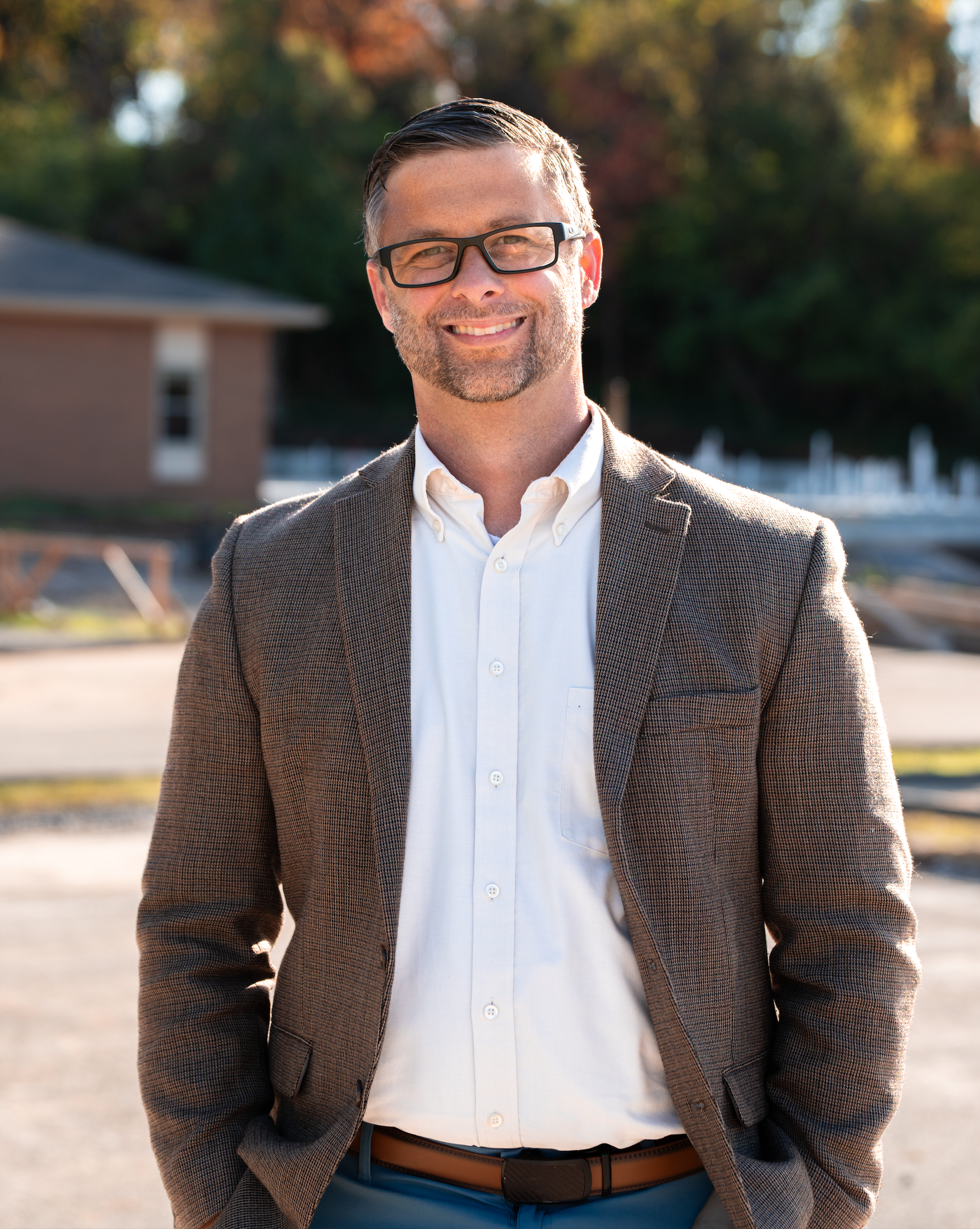
Brandon Robison, a teacher and the project manager, felt called to lead the expansion effort in 2021 after meeting architect Dave Shull during a dinosaur excavation in Wyoming. Robison shared the academy’s space challenges and wished someone could help lead a building project. Shull encouraged him to take on the task himself and offered guidance. After returning home and praying, Robison decided to move forward despite having no experience in construction or fundraising.
Answers to prayer
Planning and permitting took about three years. Early concerns that the property was in a floodplain prompted a search for another location, but God had other plans.
“We prayed,” Robison said. “We said, ‘Lord, if it’s your will to have us stay here on this site, make it plain’… And when we got the elevation certificate back, it said the school was actually 2 feet above the floodplain. So, we tell everybody that God raised our school.”
Rising costs presented another obstacle. An initial estimate of $360,000 for the first phase increased to $680,000. Robison said the setbacks left him frustrated and questioning whether to continue. After a conversation with his pastor, he reconsidered the responsibility he had placed on himself and prayed about the project.
“I told God, “this is not about my reputation or my ego,” Robison said. “‘This is your project. These are your kids.’”
Two days later, Robison said, he received word of an anonymous $100,000 donation. He later learned the donor had intended to give the money months earlier, but it had been held up in a donor-advised fund. To Robison, its arrival when he was ready to give up was evidence of God’s timing.
As fundraising continued, projected costs for the first two phases rose to about $2.2 million, exceeding the original $2 million goal. An estate gift, matching donations and a foundation contribution helped bring the total raised to $1.25 million, fully funding the first phase. Working with a new contractor brought the projected total cost, including preconstruction expenses, back to about $2 million. The school still needs to raise $750,000 to complete both phases, Robison said. He described the timing of the gifts and the lower construction costs as answers to prayer.
A clearer mission
The fundraising effort also prompted school leaders to reconsider the purpose behind the expansion. At an Adventist-laymen’s Services & Industries (ASI) convention, participants encouraged Robison to share the school’s mission rather than its financial needs. He returned convinced that the academy needed to be more intentional about preparing students for ministry and service alongside providing additional space.
Robison said the school had emphasized knowing and loving Jesus but needed to give students more opportunities to share their faith and serve others. That conviction led to greater student involvement in food distribution, health outreach and Appalachian service work.
“We don’t want to just serve the needs of our students,” Robison said. “We want to teach them to be servants.”
What comes next
The next phase calls for two additional classrooms, science and STEM facilities, and two bathrooms with showers. It would allow high school students to move into the main school building. A third phase would add three classrooms, a gymnasium, a stage and a kitchen.
School leaders eventually plan to use the separate high school building for preschool and kindergarten. Together, the improvements would allow the campus to accommodate more than 200 students.
“At the end of the day, it’s really God,” Robison said. “I mean, I know my Redeemer lives. I know that he is walking with me through this process. And the more that I have been through negative experiences and come out the other side with a miracle story, the more confident I am to go into the next situation.”